


Holistic: Understanding the In-Depth Definition and Its Contemporary Implications
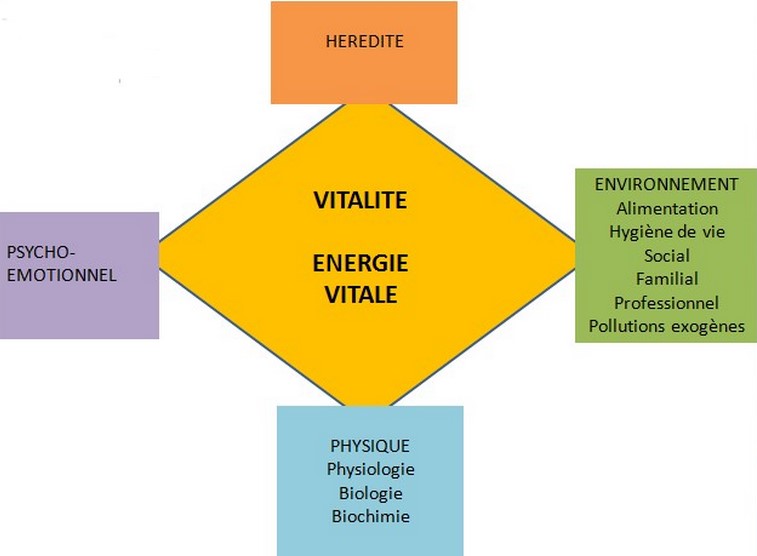
The term holistic originates from the ancient Greek word “holos,” meaning “whole” or “complete.” It expresses a comprehensive vision that considers the totality of a phenomenon without fragmenting it into isolated parts. This approach contrasts with the fragmentation often observed in conventional science or medicine. For example, while conventional medicine sometimes treats a specific symptom or organ, the holistic approach considers the human being in their holistic balance, integrating physical, mental, emotional, social, and even environmental dimensions.
This simultaneous consideration of all aspects of a system reflects the intrinsic complexity of life. In a modern context where healthy living and total harmony are sought, the holistic concept is gaining popularity. It extends beyond the strict boundaries of health to encompass philosophy, education, management, personal development, and even sustainable architecture. The holistic approach rejects any form of compartmentalization and encourages a systemic exploration of the interconnections between elements.
Consider a concrete example in the medical field: a patient suffering from a chronic disorder such as anxiety would not only be treated with specific medications but would also benefit from a consultation that integrates their lifestyle, eating habits, environment, and emotions. This comprehensive approach perfectly embodies the very essence of a holistic approach.
The refusal of fragmentation is particularly relevant in a world where ecological and social complexity demands a better understanding of interactions. Thus, a holistic approach in business management integrates not only financial results, but also social and environmental impacts, generating a Total Harmony essential for sustainability.
discover the definition of the term holistic and explore its various applications in different fields for a comprehensive and integrated approach.
Major applications of the holistic approach in health and overall well-being
In the health sector, the holistic approach is emerging as an innovative response to the limits of conventional medicine. Holistic Health does not simply observe an isolated organ or symptom, but considers the entire patient and their environment. This methodology integrates the physical, psychological, emotional, spiritual and social dimensions, all equally essential to promote the Holistic Vitality of the individual.
For example, treating a sleep disorder with a holistic method involves analyzing not only the physical causes, but also the sources of stress, eating habits, and even the patient’s social relationships. It is common today to see practitioners combine adapted nutrition, relaxation techniques, acupuncture, herbal medicine and wellness coaching to offer comprehensive support. This range of solutions allows for a better MindBody connection and harmonization of internal energies.
In parallel, holistic medicine encourages active prevention. This philosophy values patient empowerment, enabling them to become active participants in their own well-being and thus fostering lasting transformation. Patients learn to decode their body’s subtle signals to anticipate future imbalances, which significantly contributes to their overall well-being.
The environmental context is also taken into account in this approach. For example, pollution, noise, and social stress are recognized as numerous factors that can disrupt overall health balance. Therefore, a holistic therapist will consider these parameters before suggesting a personalized action plan.
This focus on the whole also extends to nutrition. The preference for organic and natural foods reflects a quest for a natural essence, leading to a more balanced and energetic state. Specific nutritional approaches, often derived from ancestral traditions such as Ayurveda or Traditional Chinese Medicine, are being reintegrated to complement contemporary medicine. The role of complementary therapies such as yoga, meditation, sophrology, and even less conventional techniques like Reiki or crystal healing is fundamental. They strengthen the patient’s inner strength and resilience by simultaneously engaging the physical and mental aspects, thus creating a state conducive to healing.
Education and management: integrating holistic thinking for lasting results
Beyond medicine, the holistic approach is permeating the world of education and organizational management. Holistic education aims to develop well-rounded individuals by fostering not only their academic knowledge but also their emotional, creative, and social dimensions. This innovative pedagogy values experiential learning, multiple intelligences, and places harmony among all aspects of the personality at its core.
Consider, for example, a preschool that adopts this vision. Rather than focusing exclusively on specific skills, it offers activities that simultaneously stimulate motor skills, emotional development, creativity, and communication. Educational resources such as those offered by Eveil et Aventure promote the overall development of children, laying a solid foundation for their future adult lives.
In the field of management, this approach leads to a questioning of traditional hierarchical structures. Companies that opt for holistic management view their organization as a living ecosystem. They integrate the interrelationships between employees, customers, suppliers, and the environment. This model empowers each stakeholder and seeks a balanced impact between economic performance and respect for human values.
Such an approach facilitates the implementation of CSR (Corporate Social Responsibility) policies where social, environmental, and economic aspects are intertwined. For example, an environmentally conscious company undertakes initiatives to reduce its ecological footprint while cultivating a serene work environment that guarantees complete peace of mind for its employees. This strategy fosters greater motivation, increased creativity, and ultimately, sustainable results.
Leaders convinced by this approach are also rethinking their communication methods to promote transparency, active listening, and collaboration. This alliance balances both the human dimension and strategic objectives, thus revealing the power of a holistic vision.
Current examples and innovations integrating a holistic vision in 2025
Contemporary applications of the holistic approach in daily and professional life continue to evolve with innovations that blend ancient knowledge and modern technologies. A striking example is found in so-called holistic architectural design, where buildings are designed to integrate sustainability, functionality, and the well-being of occupants. These constructions take into account natural light, air quality, ecological materials, as well as the sensory and emotional experience of people, thus ensuring an essential connection with nature.
Furthermore, some therapists combine traditional methods with digital tools in their standard practices to optimize personalized support. This hybrid approach illustrates a balance between innovation and respect for fundamentally human principles.