


Why Adopting Effective Marketing Strategies Is Crucial for Boosting Business Today
The business world is constantly evolving, and competition is becoming increasingly fierce. By 2025, simply having a good product or quality service is no longer enough to thrive. Companies must deploy effective marketing strategies to stand out and boost their revenue. This phenomenon is explained by the rapid evolution of consumer behavior, the rise of digital marketing, and the growing importance of customer experience.
Recent statistics show that more than 60% of companies that invest wisely in digital campaigns see significant sales growth. It’s no longer just about selling, but about understanding, attracting, engaging, and retaining customers through a tailored marketing journey. In this respect, digital marketing, social media, and targeted advertising play a vital role in capturing consumers’ attention where they spend most of their time. Let’s take the example of an SME specializing in fashion. She launched a storytelling campaign on Instagram to share the stories of the artisans who craft her products. Combined with a sophisticated SEO strategy, this led to increased visibility and a surge in online sales. This approach perfectly illustrates how a well-thought-out strategy can have a significant impact on business results.
Furthermore, the use of market analysis tools allows companies to refine their strategies in real time by detecting trends, consumer preferences, and competitive weaknesses. This makes it possible to adapt their offerings, refine their engaging content, and provide an increasingly personalized customer experience. These combined elements are key to fostering effective sales optimization in a complex and competitive environment.
In short, to boost business today, it is essential to rely on proven marketing methods, combined with technology and a deep understanding of the digital landscape. Without these ingredients, any company risks falling behind and losing valuable market share.
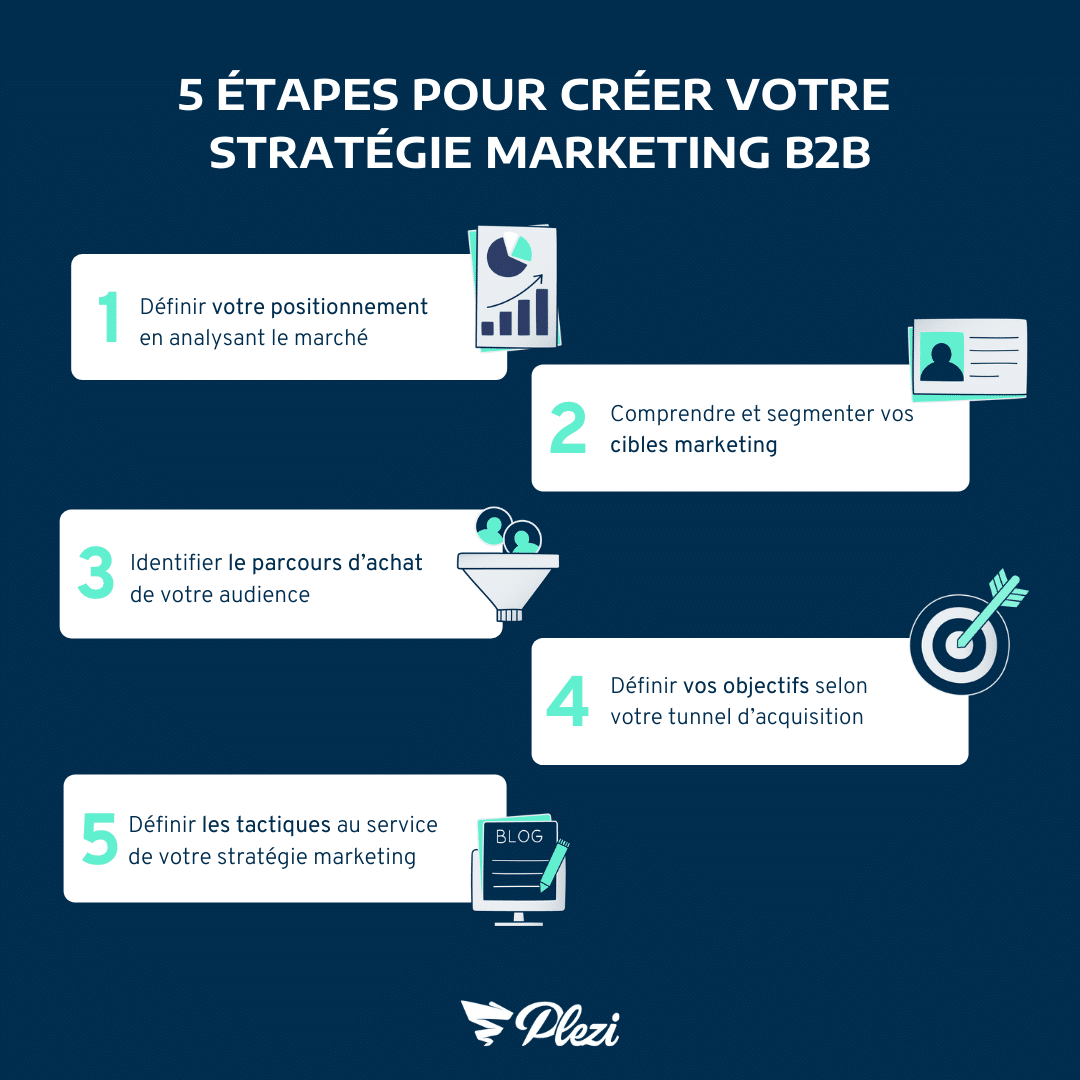
Discover effective marketing strategies to boost your sales and accelerate your business growth.
Leverage storytelling and engaging content to build customer loyalty and boost sales.
Telling a unique story about your brand is a powerful way to create an emotional connection with your customers. Storytelling is not limited to describing a product; It’s about sharing an adventure, visions, and values that resonate with the target audience. In 2025, this lever is more important than ever, as consumers seek authentic and transparent brands.
For example, a small organic food company can tell the story of how its founders decided to launch their business after witnessing the negative impact of industrial agriculture on health. By including customer testimonials and anecdotes about local production, the brand humanizes its image and fosters genuine connection. This connection promotes customer loyalty and increases conversion rates. Engaging content can take many forms: videos, blog articles, podcasts, and interactive social media posts. The key is to create a broad universe that invites customers to interact, identify with the brand, and ultimately choose it over others. Companies can leverage platforms like Instagram, TikTok, and YouTube to achieve this. These channels allow them to benefit from targeted advertising that maximizes their return on investment.
In this context, the consistency and quality of content are crucial. Offering stories that align with the brand’s values and are regularly updated helps maintain interest and nurture customer relationships. This approach is part of inbound marketing, which is more effective than purely promotional ads. To learn more about this topic, discover how to
build customer loyalty through inbound marketing
and better understand the mechanisms of customer retention. Finally, this storytelling strategy, coupled with SEO optimization, ensures that these stories effectively reach the target audience, thus helping to boost sales and stabilize long-term growth.
SEO Optimization and Mobile-First Strategy: The Pillars of Digital Marketing for 2025
Today, achieving a strong search engine ranking is a top priority. SEO (Search Engine Optimization) is no longer limited to simply using keywords. It now encompasses content quality, site structure, loading speed, and mobile responsiveness. The majority of consumers browse the web via their smartphones, making a mobile-first strategy essential for any business looking to boost sales. An e-commerce website that isn’t responsive or has poor mobile navigation loses a significant portion of qualified traffic. A smooth and intuitive user experience increases time spent on the site, improves conversion rates, and reduces bounce rates. For example, an online high-tech store that prioritized mobile optimization saw a 30% increase in orders in just one quarter, simply by redesigning its interface.
Furthermore, SEO is constantly evolving in line with search engine algorithms. Using relevant keywords, creating informative and engaging content, and optimizing the website’s technical aspects are essential. These techniques help attract qualified organic traffic, which is often more profitable than paid advertising.
To delve deeper into these topics, it’s recommended to stay informed about best practices and trends, as well as the impact of digital marketing on today’s business landscape. For example, digital transformation and its implications are detailed in this article on
the strategic evolution of digital
. By combining rigorous SEO optimization and a mobile-first strategy, businesses strengthen their visibility and return on investment, two essential elements for boosting commerce in an increasingly digital sector.
Targeted advertising and market analysis: how to refine your marketing efforts and increase sales optimization Targeted advertising is at the heart of modern marketing strategies. By 2025, thanks to advances in tracking technologies and artificial intelligence, it will be possible to reach relevant customer segments with remarkable precision. This approach significantly maximizes return on advertising spend, while avoiding wasted effort and budget.For example, a cosmetics retailer can target specific ads based on criteria such as age, gender, interests, or past purchasing behavior. This not only generates more traffic but also improves the relevance of offers and, consequently, customer satisfaction. Well-targeted advertising directly contributes to optimizing sales and enhancing the customer experience.
To succeed in this endeavor, these actions must be supported by in-depth market analysis. Collecting and interpreting data on competitors, industry trends, consumer segmentation, and purchasing behavior allows for campaign adjustments. This approach facilitates the creation of impactful messages, the selection of appropriate channels, and the ideal timing for launching promotions.
These analytical processes are supported by powerful tools that provide precise data on campaign performance, visitor behavior, and conversion rates. Knowing how to interpret this information is a major asset for continuously refining marketing strategies.
To delve deeper into this topic, it’s helpful to explore the keys to improving your digital marketing with practical tips on
sales optimization through marketing. Targeted advertising combined with in-depth market analysis acts as a powerful lever to boost sales, making every marketing action more efficient and tailored to customer expectations.
Upselling, innovation, and competitive intelligence: strengthening customer loyalty and ensuring sustainable growth.