


Karine Le Marchand and her astonishing confession about Brigitte Bardot in Love is in the Meadow
In the French television landscape, Karine Le Marchand is a familiar and appreciated face, notably thanks to her role as emblematic host of the show Love is in the meadow. During the twentieth season broadcast in 2025, a particularly striking episode revealed an unexpected side of his personality. While chatting with a farmer participating in the show, Karine expressed an existential fear linked to the image conveyed by an icon of French cinema, Brigitte Bardot.
This revelation surprised more than one viewer, revealing a rare vulnerability in a usually serene and charismatic personality. The informal discussion focused on the passage of time and aging, universal themes that particularly resonate in the media environment, where appearance often counts more than essence.
Karine Le Marchand thus used the formula “It’s Brigitte Bardot…” to illustrate a deep fear: that of no longer being able to correspond to the idealized image that the public has of her or of a loved one in the past. Bardot, whose silhouette and aura have marked generations since the 1960s, embodies for many a timeless symbol of beauty and elegance, but also a figure who was able to gradually fade from the spotlight to preserve her freedom.
This confession allowed viewers to perceive Karine Le Marchand in a new light, far from the usual confident host, and closer to the humanity that unites everyone, celebrities or anonymous people. His honesty in the face of this anxiety shows to what extent concerns linked to image and the way others see them persist, even for personalities at the heart of their careers.
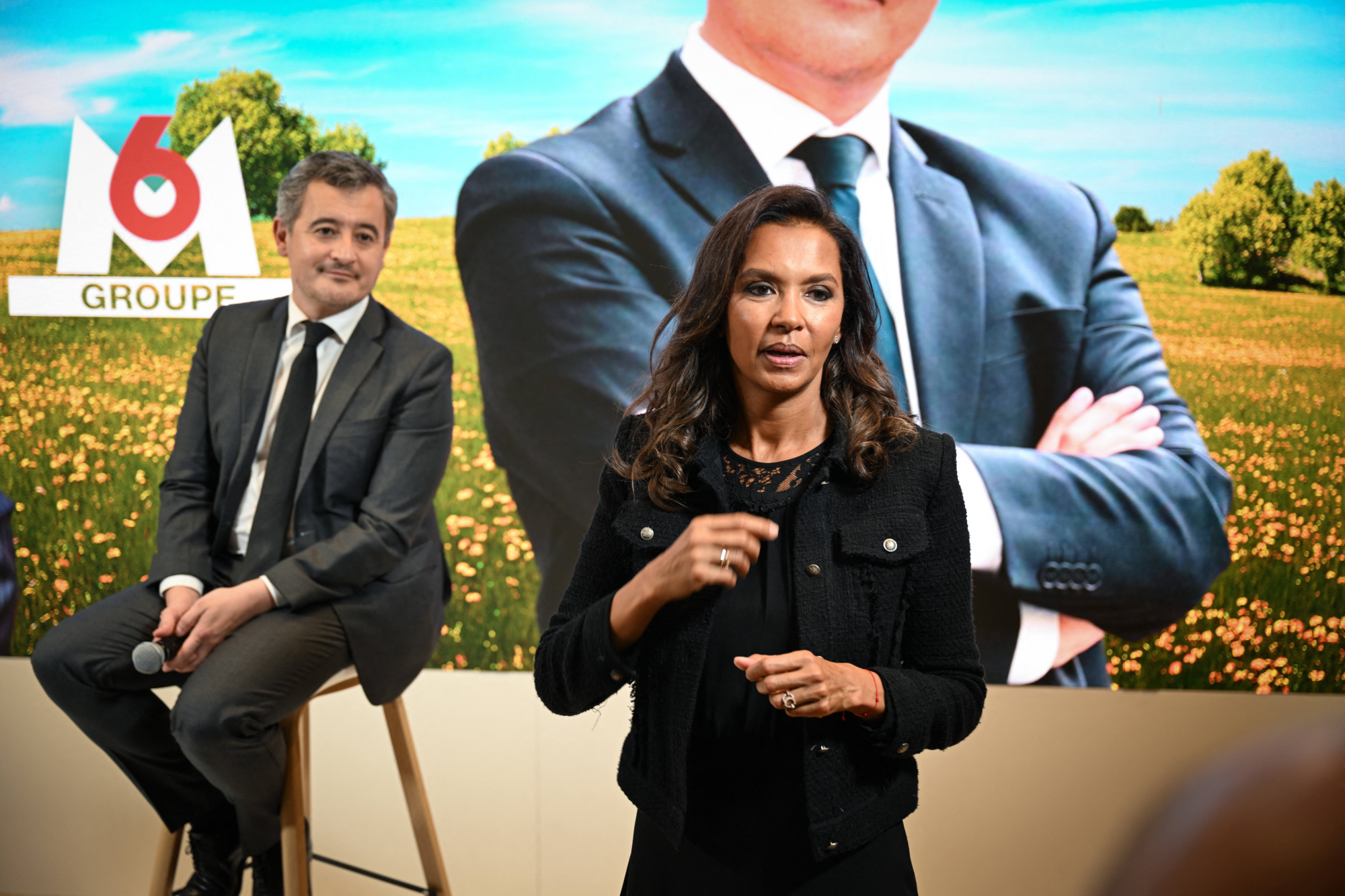
Brigitte Bardot’s impact on French culture and the perception of aging
It’s impossible to dissociate Brigitte Bardot from French popular culture. Since the 1950s, this actress and fashion icon has embodied a new idealism of the independent, free, and sensual woman. Her fame extends far beyond cinema, as she has become a symbol of the fight for animal rights thanks to the Brigitte Bardot Foundation, which continues to generate media and politically engaged audiences.
This double life, as a glamour icon and committed activist, gives Brigitte Bardot a complex dimension. Her choice to evolve outside the star system, particularly from the 1980s onward, challenges the very notion of celebrity and public image. For a host like Karine Le Marchand, referencing this character during a discussion about aging reveals as much admiration as a form of subconscious fear in the face of inevitable media and personal evolution.
Through this allusion, it is also an implicit critique of the often uncompromising view of women in the audiovisual industry and society in general. Bardot, who has survived the decades without bending to standards, becomes a reference point as much as a mirror of the fears inherent in any woman seeking a balance between her public image and her private life.
The view of aging in the media context remains a delicate subject. Through the example of Bardot, it becomes clear that public figures face unique challenges: maintaining authenticity while navigating a world where youth is often made a central criterion. This invisible fight fuels Karine Le Marchand’s questions and fuels an essential dialogue on self-perception and the relationship to age, in and out of the cameras.
Love is in the meadow: more than a program, a space of shared emotions
To celebrate its twentieth anniversary, Love is in the meadow has been able to renew itself while preserving what makes it successful: an authentic and warm approach to agricultural love stories. Every week, the show brings together millions of viewers around the tender, funny, and sometimes heartbreaking fates of farmers in search of companionship.
Karine Le Marchand, who has been present for around fifteen years, has established herself as more than a simple presenter. She plays a confidante, a friend, sometimes even a big sister for the candidates. This proximity results in moments of sincerity that transcend the usual framework of reality TV. His frankness about his own fears, notably the one revealed in blue and white during the September 22 episode, testifies to this emotional closeness.
The show is not limited to typical portraits but offers a space where universal themes such as love, loneliness, fear of aging, or self-acceptance can be discussed freely. Karine Le Marchand has always worked to create this climate of trust conducive to the expression of true feelings, making Love is in the meadow a unique platform, which arouses empathy and reflection.
This authenticity captivates a diverse audience and strengthens the connection between this popular show and the richness of rural French culture. By linking Brigitte Bardot to her own emotions, Karine enriches the show’s personal narrative, anchoring it even more deeply in the reality and concerns of contemporary viewers.
The Role of the Media in Constructing the Image of Public Figures
The media’s reflection of celebrities, such as Karine Le Marchand or Brigitte Bardot, profoundly influences public and personal perceptions. In 2025, media pressure has intensified with the rise of social media and the proliferation of platforms where every detail is scrutinized. Magazines such as Paris Match and Gala play a vital role in the narrative of these personalities, alternating between highlighting their successes and sometimes cruelly exposing their flaws. For example, Karine Le Marchand had to manage the fallout from past photos revealing a more intimate and controversial image, challenging her own control over her public communication. Similarly, the presence of renowned brands like Chanel or the popularity of sought-after destinations such as Saint-Tropez among celebrity audiences increases expectations and challenges surrounding appearance and image. Each of Karine’s public appearances must be exemplary, and yet, the authenticity that characterizes her also imposes limits on the media game. This paradox is all the more striking given that the mission of a host like Karine is to unite around a show that captures the realities of the agricultural world, far from the usual artifice of the upper echelons of show business. Her candid discussion of her personal fears offers a breath of fresh air, reconciling authenticity with a carefully constructed image.The Brigitte Bardot Foundation and Her Commitment: Another Side of the Icon
It would be reductive to view Brigitte Bardot solely through her film career and her timeless charisma. For several decades, she has also been a committed figure thanks to the Brigitte Bardot Foundation, an organization that advocates for animal protection, sometimes with highly publicized activism. The impact of this foundation continues to weigh heavily in the public debate on animal rights in France and beyond. While Brigitte Bardot has become more discreet in front of the cameras, her voice, carried by the foundation, remains highly influential, particularly among younger generations who are gradually joining the animal cause. She embodies a remarkable transition from 1960s icon to modern activist. This duality also inspires personalities like Karine Le Marchand, whose image is shaped by a raw authenticity, close to human and social realities. The contrast between the fragility revealed during a simple television show and Bardot’s strong activism demonstrates the richness of public figures and life stories. In short, this revelation about Brigitte Bardot in the context of Love is in the Meadow
opens up new avenues of reflection, blending intimate emotions, life stories, media issues, and humanist values. It invites us to consider that yesterday’s icons are never so far from our lives, and that fears related to time are the invisible glue that unites all generations.