


Comparison of methods for bolding text on LinkedIn
Choose a method and explore the advantages, disadvantages, and tips for each solution.
| Method ⇅ | Description ⇅ | Advantages ⇅ | Disadvantages ⇅ |
|---|
* Click on the headers to sort the column.
Why use bold text on LinkedIn to optimize your LinkedIn formatting?
In the bustling professional world of LinkedIn in 2025, the competition for attention is fiercer than ever. To stand out, every detail counts, and bold text on LinkedIn is an effective technique for guiding the reader’s eye to the key elements of your message. This LinkedIn formatting isn’t just an aesthetic effect; it plays a strategic role in how your contacts perceive and remember your content.
Bold text allows you, firstly, to visually highlight key information. For example, in a post announcing a new business offering, bolding the product’s differentiating benefits can quickly grab attention and encourage the reader to take a deeper interest. Additionally, it improves the structure of your posts by making them easier to read. In a world where information flows incessantly, well-structured text engages the audience more effectively. Thus, a post elaborated with a few bolded phrases reassures the reader of the clarity and relevance of the content.
Making your message visually appealing is another advantage of this method. LinkedIn content that suffers from a wall of dense text struggles to generate engagement. Conversely, by using LinkedIn text tools to punctuate your story and highlight certain passages, you optimize visibility on LinkedIn and increase engagement rates.
For example, imagine a marketing manager publishing a quarterly report without any formatting. Their post risks being quickly bypassed in the news feed. But if they bold key figures or an attractive call to action, the post immediately becomes more dynamic and encourages further reading. It’s this subtle interplay between information and design that makes bold text so powerful on LinkedIn. In short, mastering this technique can transform a simple post into a real lever for engagement and credibility.
LinkedIn formatting via bold text also serves as a lever of professionalism by reinforcing the positive perception of your profile. It reflects attention to detail, which is essential in LinkedIn professional advice for building an image of rigor and competence. Therefore, investing time in carefully presenting your messages, particularly by wisely choosing the words to bold, opens the door to more opportunities.
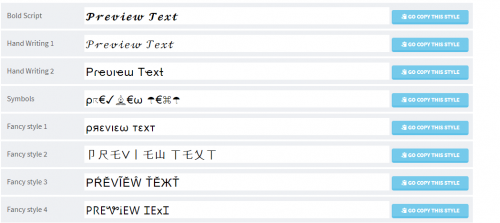
The different methods for bolding text on LinkedIn: from the Unicode tool to browser extensions
Unlike other social networks, LinkedIn doesn’t offer a native button in its classic posts to directly apply bold text. However, users now have several effective tips to compensate for this lack. Among the most popular are the use of Unicode tools and browser extensions that simplify LinkedIn formatting.
One of the most accessible methods is to use a Unicode text generator, such as YayText, which transforms your text into special characters that mimic the appearance of bold. This operation doesn’t change the structure of the post but modifies the style of certain characters for a differentiated visual effect.
Here’s how to do it with a Unicode tool: Visit a site like YayText, enter the text you want to emphasize, select the bold style, then copy and paste it into your LinkedIn post. This simplicity eliminates the need to install additional software. For example, a consultant who wants to emphasize a key phrase about the importance of SEO can convert it to Unicode bold text to effectively capture their audience’s attention.
Another practical approach is to adopt browser extensions. These add-ons, such as Text Formatter for LinkedIn, integrate directly into the LinkedIn interface to allow on-the-fly text formatting. This includes adding bold, italics, or underline with a similar feel to word processing software. This solution is ideal for professionals who frequently post on LinkedIn and want to improve their workflow and speed without leaving the platform. The extension allows, for example, an HR manager to easily format their job postings or calls for applications, thus improving readability and visibility on LinkedIn.
However, it’s important to keep in mind that Unicode-generated bold text is not truly interpreted as bold text by LinkedIn’s algorithm, which can impact internal SEO. Similarly, extensions depend on their compatibility with the social network’s updates.
LinkedIn tips and tricks for effectively structuring your posts with bold text
Psychologically, bold text acts as a beacon on the page. However, overuse can dilute its effect and even impair the clarity of communication. To take full advantage of this feature, a few recommendations from the LinkedIn 2025 guide are in order.
First, vary your styles. Subtly combine bold with italics, for example, to differentiate between types of information: use bold for keywords and italics for quotes or clarifications. This typographic diversity better captures attention while making reading more enjoyable.
Next, prioritize simplicity. Text that is too heavy in bold ends up confusing the reader. It’s better to focus on 2 to 3 important words per paragraph. For example, a strategy consultant might bold the main objective or a quantitative result in a sentence to emphasize their significance. Furthermore, structure your post carefully: use short paragraphs, and introduce bulleted or numbered lists to break up the message and make it easier to understand. This goes perfectly with neat and dynamic LinkedIn formatting.
Finally, consider the context in which the post is published. A bold call to action or key phrase will have more impact than a post introducing a new service or an upcoming event. In this way, LinkedIn formatting becomes a tool to guide interactions and boost visibility on LinkedIn.
Common mistakes to avoid with bold text on LinkedIn to maximize your visibility on LinkedIn
Despite the obvious benefits of bold text on LinkedIn, certain pitfalls often hinder professionals who want to improve their LinkedIn writing. Understanding these pitfalls is a way to increase the effectiveness of your posts.
The first pitfall is overuse of formatting. Too much bold text in a post creates a counterproductive effect and can be perceived as aggressive or unprofessional. This phenomenon is comparable to an excessive demand for attention, which ultimately tires the reader and distracts them.
The second pitfall concerns contextual relevance. Boldening any passage without careful consideration diminishes the impact of your message. Care must be taken to ensure that the emphasis truly underscores a crucial or strategic point. For example, a manager wanting to promote a new product will emphasize key benefits rather than trivial details.
The third common issue is accessibility-related. Unicode bold text, while aesthetically pleasing, can be misinterpreted by screen readers used by visually impaired people, posing a barrier to inclusion on a professional platform.
Furthermore, special characters used to create bold text can display poorly depending on the device, particularly on mobile or when exporting to PDF. Systematically testing before publication is therefore a good practice to avoid poor results.
By keeping these considerations in mind, you’ll avoid common mistakes and significantly improve your ability to capture and maintain attention on LinkedIn, while respecting the demanding professional environment of 2025.
LinkedIn Text Tools and Alternatives for Editing Your LinkedIn Profile with a Strong and Professional Impact
If you’re looking to take your LinkedIn formatting further, you have several additional options. The native LinkedIn article and newsletter editor offers a bold, italic, and other formatting options, allowing for clear and professional structuring of long content.
This feature is limited to article-type publications and is not available in standard posts or messages. However, it is particularly suitable for professionals wishing to share in-depth analyses or industry studies, combining high-quality LinkedIn writing with expert formatting.
For shorter content, it is best to use Unicode tools like YayText wisely to insert LinkedIn bold text. However, be sure to test your rendering on multiple devices for optimal optimization.
Additionally, incorporating emojis wisely energizes your posts without sacrificing professionalism, especially when you want to draw attention to a key point, while adding a friendly touch to your messages.
Finally, effective LinkedIn writing also requires clear and engaging calls to action. Inviting your contacts to comment, share, or react increases the interaction and organic reach of your posts. LinkedIn thus rewards your profile by offering you greater visibility on LinkedIn. To explore these techniques in more depth, don’t hesitate to consult online resources specializing in LinkedIn professional advice, which will help you perfect your LinkedIn formatting and optimally edit your LinkedIn profile, in line with your personal or professional goals.
For a more fun and surprising dive into another form of sensory and wellness experience, discover, for example, everything you need to know about certain techniques from Japan, an approach that inspires rigor and creativity on LinkedIn through the notion of attention to detail and authenticity.
Discover diverse concepts such as Nuru massage and its benefits.
can offer you valuable inspiration to balance work life and well-being, indirectly strengthening your performance on LinkedIn.